In-depth - "Agile Transformation"

Agile Transformation is a hotly debated topic in many companies. It's not just about switching from one project management model to another, but about a profound change in how organizations work and create value.
What is Agile Transformation?
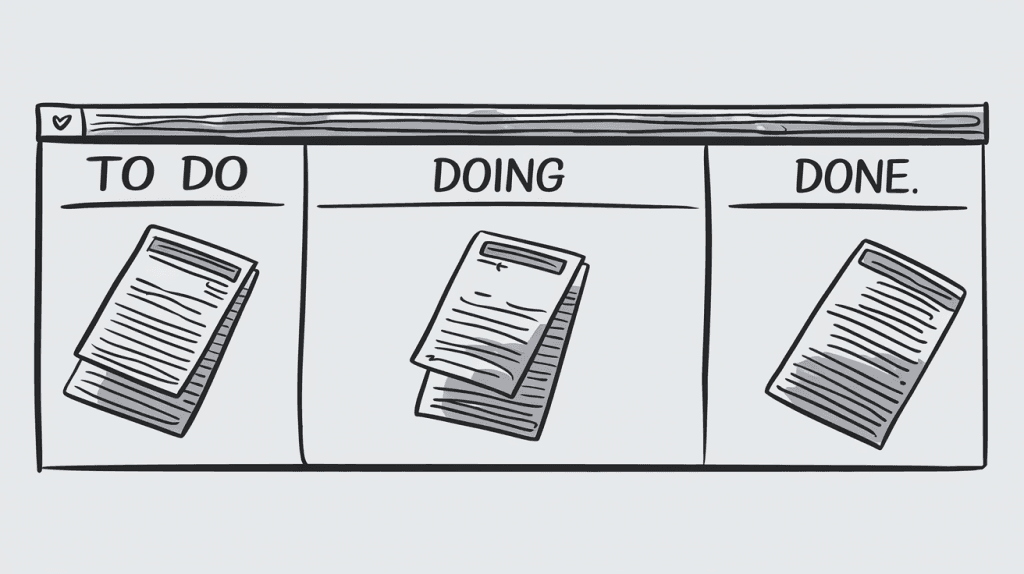
Agile Transformation refers to the process by which a company transitions from traditional working methods to agile practices. This can involve the introduction of Scrum, Kanban, or other agile frameworks, but it goes far beyond mere process changes. It's a cultural shift that emphasizes flexibility, collaboration, and customer focus.
Why is Agile Transformation Important?
In today's fast-paced business world, companies need to be responsive and adaptable. Traditional working methods can often be too slow and inflexible to react to market changes. Agile practices offer companies the opportunity to deliver faster, adapt to changes, and put the customer at the center of their efforts.
Challenges of Agile Transformation
- Cultural Change: One of the biggest challenges of agile transformation is the change in corporate culture. It requires a shift from hierarchical to team-based structures and from fixed to flexible processes.
- Resistance to Change: Employees and leaders might be skeptical of new methods and resist them.
- Lack of Skills and Knowledge: Not all employees have experience with agile practices, and it may require training and support to bring them up to speed.
Tools and Strategies for a Successful Agile Transformation
- Transformation Canvas: A visual tool that helps define the current state, the desired state, and the steps in between. It can serve as a guide for the entire transformation.
- Communication Plan: A clearly defined plan that specifies how and when the transformation will be communicated. This can include regular updates, Q&A sessions, and feedback rounds.
- Retrospectives: An agile ritual used to regularly review the progress of the transformation and identify areas for improvement.
Keys to Success
- Leadership Involvement: Leaders must support and drive the transformation.
- Continuous Education: Regular training and workshops can help improve employees' skills and knowledge.
- Feedback Loops: It's important to get regular feedback from employees to continuously improve the transformation process.
Conclusion
Agile Transformation is a complex and challenging process that requires profound changes in how companies work. With the right strategy, leadership, and commitment, however, it can lead to significant benefits, including faster time-to-market, higher customer satisfaction, and improved team collaboration. This article provides only an overview of the topic and does not claim to be exhaustive.

Mario Lohe
General Manager with 15+ years of experience in business operations, agile transformation, and AI enablement. Former Director of Operations at Havas Creative Group, Head of Operations at Audiencly. Certified: CSPO, CSM, ISO 31000, Systemic Coach (DCA).