Agile Methods: A Deeper Dive

A Comprehensive Guide
In today's fast-paced business world, agile methods are more than just a buzzword. They have become an indispensable tool for companies that want to adapt to constantly changing market conditions. But which method is right for your company? In this post, we'll take a deeper look at the various agile methods and offer guidance on choosing the best method for your needs.
1. Scrum
Scrum is based on sprints, short, time-boxed work cycles in which specific tasks are to be completed. It promotes team collaboration and allows for quick adaptation to changes.
- Ideal for: Projects where requirements may vary over time and regular feedback is needed.
- Not so suitable for: Teams that cannot communicate regularly or for very short-term projects.
2. Kanban
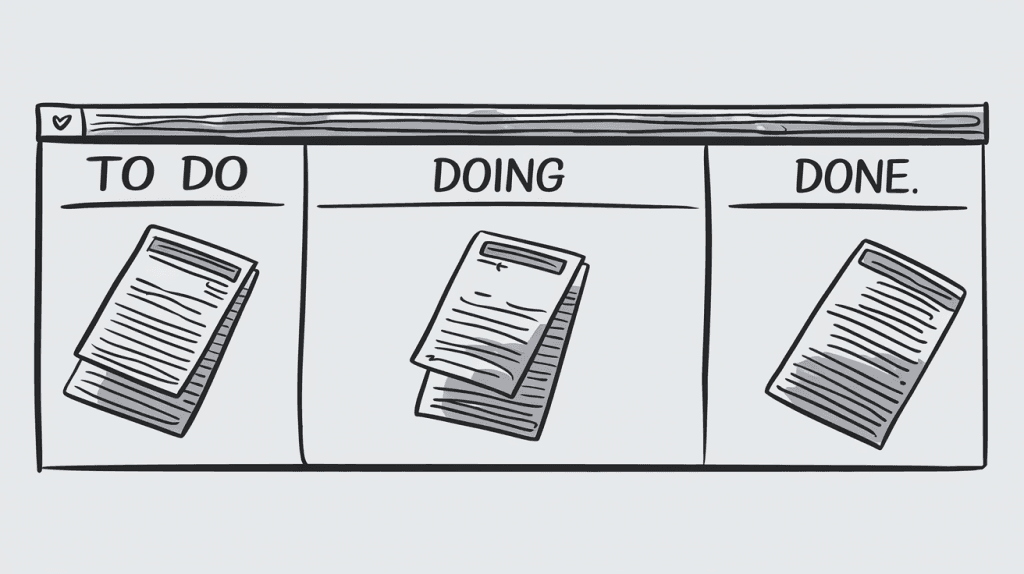
Kanban uses a visual system (usually a board) to track the workflow. It allows teams to have flexibility in their work rhythm and focus on continuous improvement.
- Ideal for: Teams that have a constant workflow and need flexibility in their way of working.
- Not so suitable for: Projects that have fixed deadlines and clear phases.
3. Lean
Lean focuses on eliminating waste and maximizing value for the customer. It's about working more efficiently, not harder.
- Ideal for: Companies that want to optimize their processes and deliver more value with less effort.
- Not so suitable for: Teams that are unwilling to rethink their current ways of working.
4. Extreme Programming (XP)
XP places great emphasis on technical excellence, customer feedback, and close team collaboration.
- Ideal for: Software development teams that have high quality standards and want to work closely with customers.
- Not so suitable for: Teams that cannot communicate regularly or focus on technical best practices.
How to choose the right method?
When choosing the right agile method for your company, you should consider the following:
-
Project Nature
- Question: Is your project software-centric or is it a physical product?
- Example: If you're developing a new app, Scrum or XP might be more suitable, as these methods were specifically designed for software projects. However, if you're working on the production of a physical product, such as manufacturing a new car model, Lean might be a better choice, as it focuses on eliminating waste and maximizing value.
-
Team Size and Structure
- Question: How large is your team and how is it structured?
- Example: Kanban can work well for a small marketing team that is constantly faced with new requests. For a large development team working on an extensive software project, Scrum with its clearly defined roles and responsibilities might be more suitable.
-
Frequency of Change
- Question: How often do you expect project requirements to change?
- Example: If you work in a rapidly changing industry, such as technology, and you expect requirements to change frequently, methods like Scrum or Kanban, which promote flexibility and rapid adaptability, might be more suitable. However, if your project has clear and unchangeable requirements, such as building a house, a more traditional method like Waterfall might be a better fit.
Final Thoughts
Choosing the right agile method requires careful consideration and analysis of your specific project needs and circumstances. It is important to remember that there is no "one size fits all" when it comes to agile methods. Every project and every team is unique, and what works for one may not work for another.

Mario Lohe
General Manager with 15+ years of experience in business operations, agile transformation, and AI enablement. Former Director of Operations at Havas Creative Group, Head of Operations at Audiencly. Certified: CSPO, CSM, ISO 31000, Systemic Coach (DCA).